
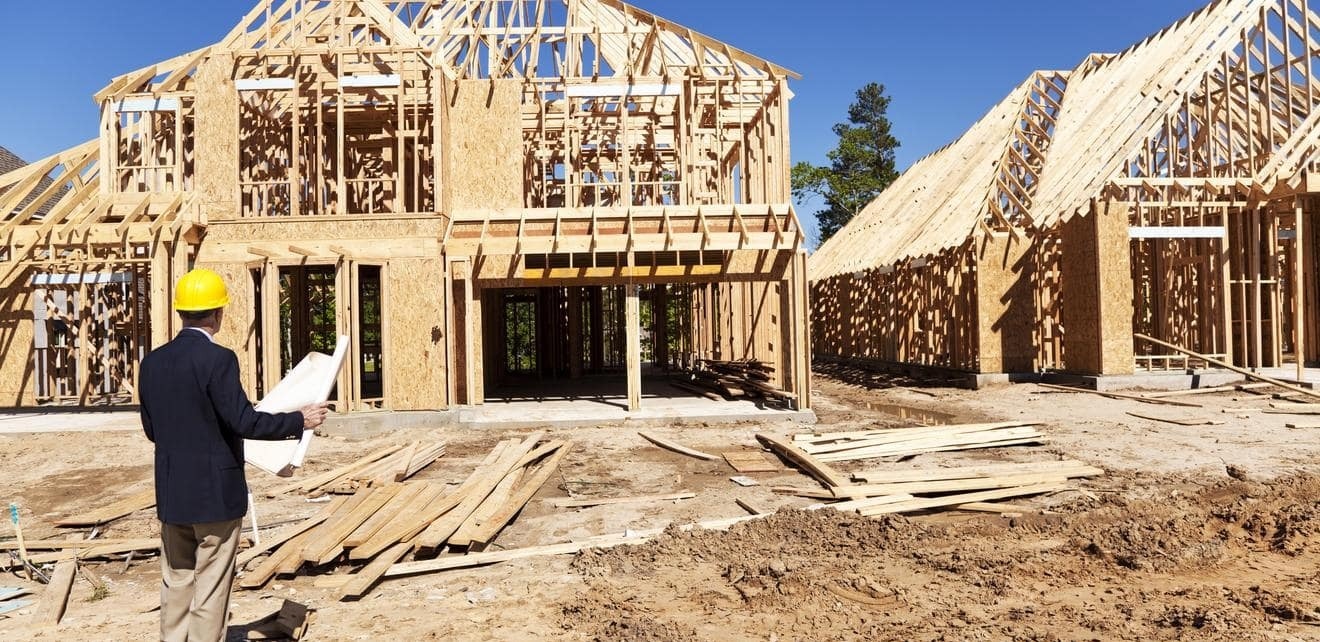
Residential construction can create profitable opportunities for builders who understand their local markets, manage expenses carefully, and deliver properties that buyers want. However, profitability is not guaranteed simply because a builder completes a new house. Land costs, labor expenses, material prices, financing charges, construction delays, and changing buyer preferences can all affect the final return. Spec homes provide a way for builders to develop properties based on anticipated demand, but success depends on making informed decisions before and throughout construction.
Unlike custom homes, which are generally designed for a specific customer, speculative properties are built before a buyer has committed to the purchase. This approach allows builders to control the design and construction process, but it also means they carry the financial risk until the property sells. By combining market research, efficient planning, realistic pricing, and suitable financing, builders can improve the financial performance of their projects.
Understand the Local Housing Market
Market research is one of the most important steps in developing profitable spec homes. Builders need to understand who is likely to purchase a property, what those buyers can afford, and which features are most attractive in the intended neighborhood.
Research should include comparable property prices, average property sizes, local housing inventory, employment conditions, and the availability of essential amenities. Builders should also evaluate how quickly similar houses are selling and whether competing developments are introducing additional inventory.
For example, a neighborhood with strong demand from families may support homes with several bedrooms, functional kitchens, and practical outdoor spaces. An area popular with young professionals might attract buyers interested in flexible workspaces, modern interiors, and convenient transportation.
The goal is to identify a market segment with realistic demand rather than designing a property based on personal preferences alone. A house that appeals to the builder may not necessarily appeal to the intended buyer.
Careful research helps builders select appropriate locations, determine suitable property sizes, and establish a realistic selling price before committing significant capital.
Select the Right Location and Property Size
Location has a direct influence on a property's marketability. Even a well-constructed house may struggle to sell if it is located in an area with limited demand, inconvenient transportation, or too many competing properties.
Builders should evaluate access to employment centers, schools, healthcare facilities, shopping areas, transportation routes, and recreational amenities. They should also investigate local development plans and consider how future changes may affect neighborhood desirability.
Property size deserves similar attention. Larger houses generally require more materials, labor, and maintenance, which can increase the total investment. However, a smaller house may not meet the needs of buyers in a market where larger family properties are preferred.
The most profitable choice is not necessarily the largest or most expensive house. It is the property that offers an appropriate balance between construction costs, buyer demand, and achievable selling price.
Builders should compare the cost of available lots with the prices of completed properties in the surrounding area. This analysis can help determine whether a proposed project has a reasonable chance of generating an acceptable return.
Develop a Detailed Construction Budget
A detailed budget helps builders understand the financial requirements of a project before construction begins. Relying on rough estimates can create problems when unexpected expenses arise or material prices change.
The budget should account for land acquisition, site preparation, labor, materials, permits, insurance, utilities, contractor fees, financing, and marketing. Builders should also include estimated holding costs for the period between completing construction and selling the property.
A contingency allowance is important because residential projects can encounter unforeseen challenges. Weather-related delays, changes in material availability, unexpected site conditions, and additional work may increase expenses.
Builders should obtain written estimates from suppliers and contractors whenever practical. They should also compare quotations carefully, considering quality, reliability, and completion schedules rather than selecting the lowest price automatically.
Regularly comparing actual spending with the original budget helps identify problems early. If a particular part of the project begins exceeding its allocation, the builder can investigate the cause and make appropriate adjustments.
Accurate cost management provides a stronger foundation for pricing decisions and helps reduce the risk of completing a house that generates less profit than expected.
Choose Features That Buyers Value
The features included in spec homes can influence both construction costs and selling prices. Builders should prioritize improvements that support everyday living and appeal to their target market.
Functional floor plans, adequate storage, durable flooring, practical kitchens, and comfortable bedrooms can make a property attractive without requiring excessive spending. Flexible rooms may also appeal to buyers who need space for remote work, studying, or hobbies.
Energy-efficient windows, suitable insulation, and efficient appliances can offer practical benefits when selected according to the home's design and local climate.
However, expensive upgrades do not always produce a corresponding increase in market value. Premium finishes, specialized technology, and elaborate decorative elements may appeal to some buyers but have limited influence on others.
Builders should study competing properties to understand which features are standard at the intended price point. They can then identify improvements that differentiate their houses without unnecessarily increasing the budget.
The best strategy is to invest in quality, functionality, and broad buyer appeal rather than adding features simply because they are fashionable.
Improve Construction Efficiency
Construction efficiency can improve profitability by reducing wasted time, unnecessary material use, and avoidable labor expenses.
Builders can establish repeatable processes for similar projects, coordinate contractors more effectively, and plan material deliveries according to the construction schedule. Standardized floor plans may also simplify purchasing and reduce the time required to resolve design questions.
For example, using consistent specifications across several properties may allow a builder to negotiate better supplier pricing or improve coordination between subcontractors. These benefits depend on project scale, supplier terms, and the suitability of the selected materials.
Digital project management tools can help track expenses, monitor schedules, and communicate changes to construction teams. Clear responsibilities and regular progress reviews can also prevent small issues from becoming costly delays.
Nevertheless, efficiency should never come at the expense of construction quality or safety. Cutting essential materials, ignoring building requirements, or hiring unsuitable contractors can create expensive problems later.
Builders should aim to eliminate waste and improve coordination while maintaining appropriate quality standards.
Manage Construction Timelines Carefully
Time is an important financial factor in speculative development. A delayed project may incur additional financing expenses, insurance costs, site management charges, and other holding expenses before the property can be sold.
Builders should establish realistic schedules that account for permitting, site preparation, material procurement, contractor availability, inspections, and final completion work.
Maintaining communication with suppliers and subcontractors helps identify possible delays early. Builders should also avoid scheduling every activity with no allowance for unexpected problems.
Construction milestones can provide a useful way to monitor progress. Comparing planned and actual completion dates helps the builder determine whether corrective action is needed.
The goal should not be to finish construction as quickly as possible regardless of quality. Instead, builders should complete work efficiently while meeting the required standards and preparing the property properly for sale.
A well-managed schedule can reduce avoidable costs and help the builder bring the finished house to market at an appropriate time.
Price the Property Realistically
Pricing decisions have a significant influence on profitability. Setting an asking price too high may discourage buyers and extend the selling period, while pricing too low may reduce the return unnecessarily.
Builders should evaluate comparable properties with similar sizes, locations, construction quality, and features. They should also consider current market conditions and the number of competing houses available.
The asking price should reflect the property's characteristics and the amount buyers are reasonably willing to pay. It should not be based solely on the builder's total expenses or desired profit.
A useful financial calculation begins with the expected sale price and subtracts all projected costs, including land, construction, financing, marketing, taxes, and other applicable expenses. The remaining amount represents the estimated profit before any additional costs not included in the calculation.
Builders should test several scenarios, including a lower selling price or a longer marketing period. This helps reveal how sensitive the project is to changes in market conditions.
Realistic pricing can attract suitable buyers while reducing the risk of extended holding periods and unexpected financial pressure.
Use Construction Financing Strategically
Financing is a major consideration because builders must fund land and construction before receiving proceeds from a sale. The cost and structure of that financing can affect the project's final profitability.
Builders should compare loan terms, interest rates, fees, repayment requirements, funding schedules, and any required equity contributions. They should also understand what happens if construction takes longer than planned or the property remains unsold.
Some financing arrangements release funds in stages as construction progresses. Builders need to understand the documentation and inspection requirements associated with these disbursements so that funding is available when needed.
Resources about builder construction loans can help construction professionals explore financing options relevant to residential development. builderfinance.com provides information about financing for builders, developers, and investors, including speculative residential construction.
Builders should evaluate any financing product according to their project requirements, eligibility, total borrowing costs, and repayment strategy. Advertised terms should be confirmed directly with the lender because rates, fees, and qualification criteria can vary.
Financing should support a realistic project plan rather than encourage a builder to take on more construction risk than the business can comfortably manage.
Control Material and Supplier Costs
Material expenses can represent a significant portion of a residential construction budget. Builders can improve cost control by obtaining multiple quotations, planning purchases carefully, and negotiating appropriate supplier arrangements.
Ordering materials in suitable quantities may reduce repeated delivery expenses and minimize disruptions. However, purchasing too early or ordering excessive inventory can tie up capital and create storage problems.
Builders should consider both price and reliability when selecting suppliers. A lower-priced supplier may not be the best choice if deliveries are frequently late or materials do not meet the required specifications.
Material substitutions should also be evaluated carefully. A less expensive product may reduce initial expenses but could increase maintenance requirements or reduce the property's appeal.
Keeping accurate records of material orders, delivery dates, invoices, and usage can help identify waste and improve future estimates.
Over time, reliable supplier relationships and consistent purchasing procedures can help builders improve budgeting accuracy and project coordination.
Strengthen Marketing and Sales Preparation
A completed house must be presented effectively to attract potential buyers. Builders should prepare accurate property descriptions, clear photographs, and useful information about the floor plan, materials, included features, and location.
Online listings can help buyers evaluate properties before arranging a visit. The information should be accurate and should not promise features or benefits that the property does not provide.
The house should also be clean, accessible, and ready for viewing. Addressing unfinished details, maintaining the exterior, and ensuring that rooms are well presented can improve the buyer's experience.
Builders should be prepared to answer questions about construction quality, warranties, utilities, property taxes, and other ownership considerations.
Marketing expenses should be included in the project budget. Builders can then assess which channels generate useful inquiries and adjust their approach according to results.
Effective marketing cannot compensate for an unsuitable location or unrealistic price, but it can help the right buyers discover and evaluate a well-prepared property.
Monitor Profitability Across Multiple Projects
Builders who develop several spec homes need a consistent method for evaluating the financial performance of each project.
Records should track the original budget, actual expenses, construction duration, financing costs, final selling price, and net project return. Comparing these figures can reveal which designs, locations, and construction methods perform best.
For example, a builder may discover that moderately sized homes sell more quickly than larger properties in a particular neighborhood. Another project may reveal that certain upgrades increase buyer interest while others add cost without improving the final sale price.
These findings can inform future decisions, but builders should avoid assuming that past results guarantee future performance. Market conditions, borrowing costs, and buyer preferences can change.
Regular financial reviews help builders identify problems early and develop more realistic estimates for subsequent projects.
Conclusion
Builders can improve profitability through spec homes by understanding local housing demand, selecting appropriate locations, developing accurate budgets, and prioritizing features that buyers value. Construction efficiency, realistic pricing, reliable suppliers, and effective marketing can further improve the financial performance of individual projects.
Financing deserves particular attention because speculative development requires builders to invest before a buyer commits to the property. Comparing financing terms and preparing for delays can help reduce financial uncertainty.
Profitability also depends on maintaining construction quality and responding to changing market conditions. Excessive cost-cutting, unrealistic selling prices, and poorly researched locations can undermine an otherwise promising project.
With disciplined planning, careful expense management, and a clear understanding of the target market, builders can make better-informed decisions and improve their chances of achieving sustainable returns from spec home development.