
1. Introduction
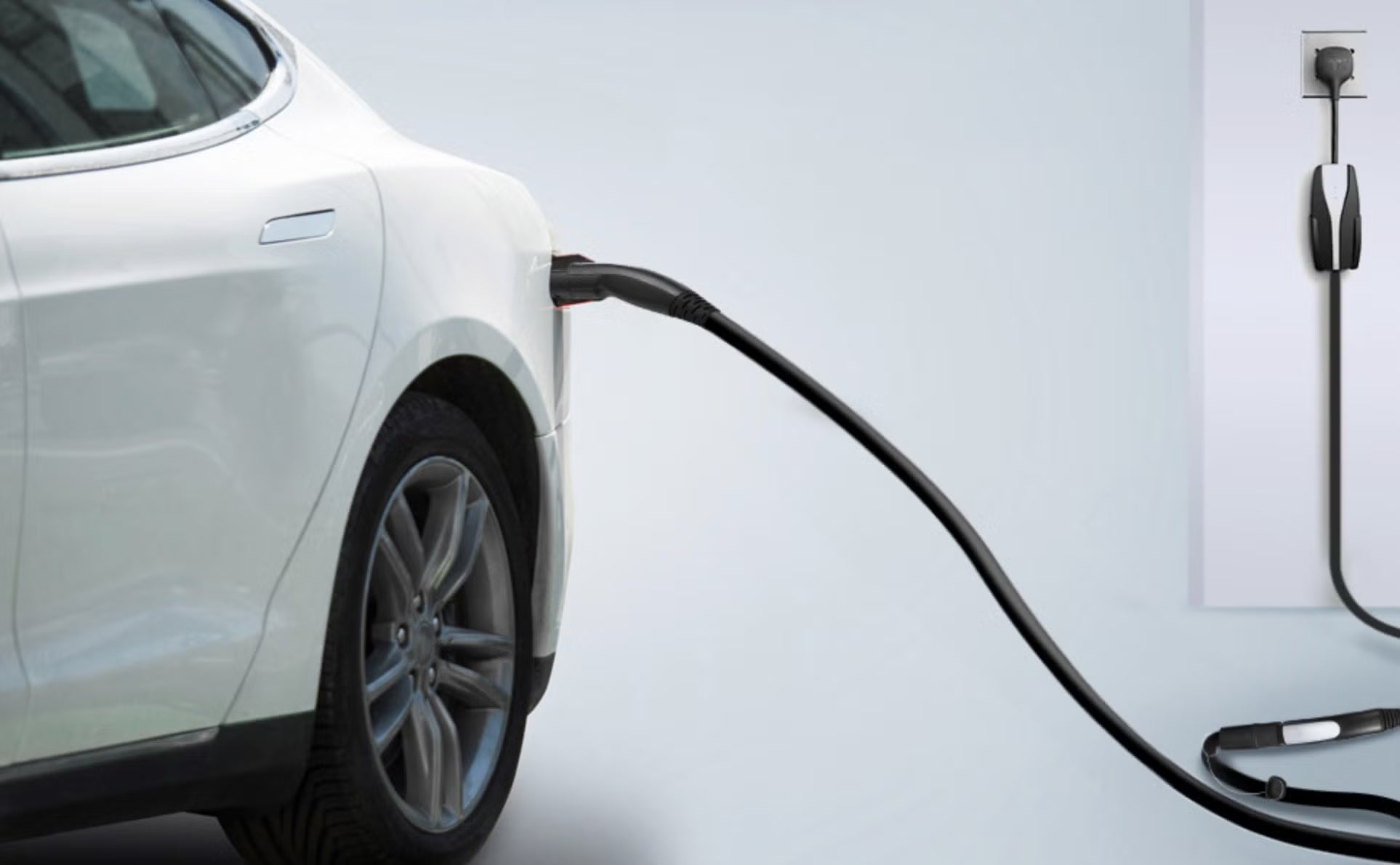
Electric vehicles(EVs) are no yearner a art movement conception they are an whole part of now s self-propelled landscape painting. As more consumers squeeze EVs for their environmental benefits and cost savings, the for accessible and efficient charging Stations has skyrocketed. From urban centers to geographical area highways, car charging Stations of the Cross are progressively formation the worldwide channel ecosystem. This fast expanding upon reflects a broader transition toward property mobility and a low-carbon futurity.
2. Factors Driving the Growth of Charging Stations
Environmental Awareness
Climate change concerns and pollution reduction have driven governments and consumers to transfer away from fogy fuels. EVs make zero tailpipe emissions, qualification them a vital part of carbon simplification strategies. To support this passage, the infrastructure to reload EVs must keep pace, leading to a surge in charging post development intercontinental.
Government Policies and Incentives
Governments are playing a indispensable role in fast the deployment of EV charging networks. Incentives such as tax , rebates, and subsidies for both consumers and businesses have encouraged the adoption of electric vehicles. For illustrate, the European Union s Green Deal has set aspiring targets to assure general EV infrastructure, while the U.S. Inflation Reduction Act includes backing specifically for EV charging networks.
Technological Advancements
The rise of fast-charging engineering has self-addressed one of the primary feather concerns of EV users: charging time. Modern fast chargers can refill an EV stamp battery in 20 40 proceedings, making them same to refueling a gas vehicle. Additionally, hurt charging solutions and apps that allow users to locate stations and supervise charging come along have further increased convenience.
3. Global Trends in EV Infrastructure
North America
In North America, the United States and Canada are investment heavily in public charging infrastructure. The Biden presidential term aims to build a national network of 500,000 charging stations by 2030. Private companies like Tesla, ChargePoint, and Electrify America are also expanding quickly, focal point on both municipality and interstate locations to reduce range anxiousness.
Europe
Europe leads in EV adoption and substructure denseness. Countries like Norway, the Netherlands, and Germany tout some of the highest ratios of charging Stations per EV. The European Union s focalise on green mobility and emission simplification targets has created a friendly for both world and private investment funds in EV charging networks.
Asia-Pacific
China dominates the world-wide EV commercialize and charging post deployment. The political science has incentivized manufacturers and operators to establish widespread fast-charging networks, particularly in municipality centers. Japan and South Korea are also expanding EV infrastructure, with a focus on on integration renewable vitality sources to superpowe Stations sustainably.
Emerging Markets
Emerging economies in Latin America, Southeast Asia, and Africa are bit by bit entrance the EV market. While infrastructure challenges continue, world-private partnerships and innovational solutions, such as star-powered charging Stations of the Cross, are sanctionative gradual increase. The expansion of charging networks in these regions is material to ascertain the world EV rotation is inclusive.
4. Challenges Facing Charging Networks
High Installation Costs
Building a robust ev charge stations network requires significant capital investment. Land attainment, ironware, instalmen, and sustainment can be prohibitively dearly-won, particularly in densely inhabited municipality areas.
Grid and Energy Supply Limitations
A jerky surge in EV adoption can strain local anesthetic electricity grids. Smart grid solutions, stamp battery entrepot, and inexhaustible vim integrating are necessary to keep blackouts and ensure dependable charging services.
Standardization Issues
Multiple charging standards(such as CCS, CHAdeMO, and Tesla s proprietorship connectors) can make mix-up for consumers and stymie universal access. Industry-wide standardization is necessary to streamline EV borrowing.
5. Future Outlook
The rise of EV charging stations is unsurprising to bear on at a fast pace. Innovations in ultra-fast charging, radio charging, and vehicle-to-grid engineering could transmute the way consumers interact with energy and mobility. Collaboration between governments, common soldier enterprises, and service program providers will be crucial to building a property and competent worldwide charging web.
6. Conclusion
The world proliferation of car charging Stations is a sign that the futurity of transportation is electric car. Driven by state of affairs concerns, adjunct policies, and technical invention, the expanding upon of EV substructure is reshaping how we move. While challenges stay, the current investment and international signalise that EVs and their charging stations are here to stay, powering a , greener satellite.